Red Dress Project
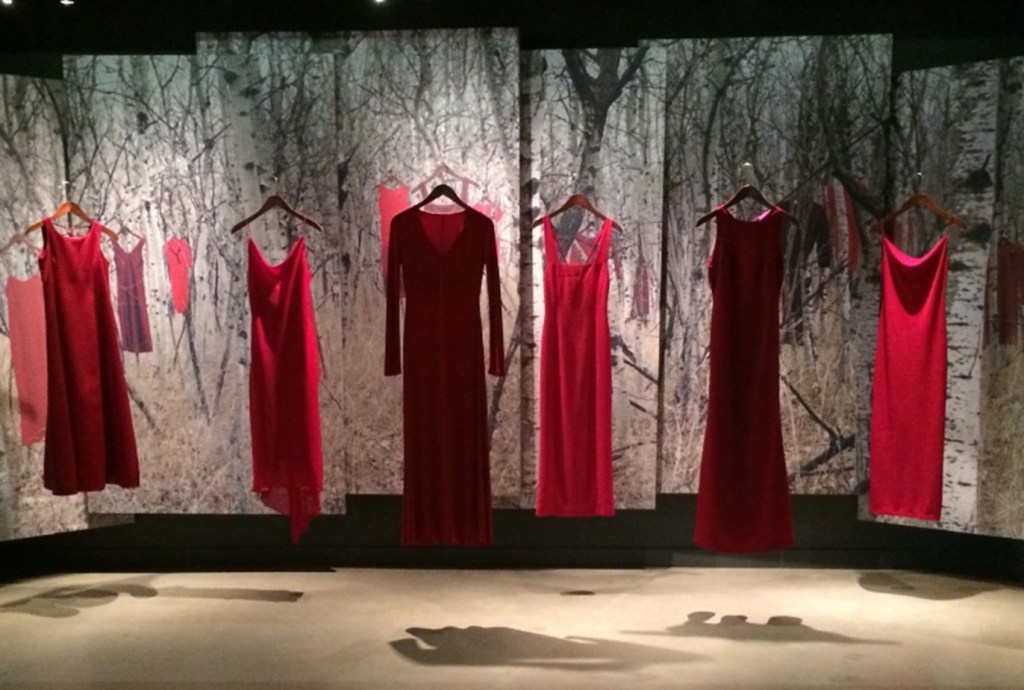
Missing and Murdered Indigenous Women (MMIW)
Across the United States and Canada Native Women and girls are being taken or murdered at an unrelenting rate.
Indigenous Women
There is widespread anger and sadness in First Nations communities. Sisters, wives, mothers, and daughters are gone from their families without clear answers. There are families whose loved ones are missing—babies growing up without mothers, mothers without daughters, and grandmothers without granddaughters. For Native Americans, this adds one more layer of trauma upon existing wounds that cannot heal. Communities are pleading for justice.
“The National Crime Information Center (NamUs) reports that, in 2016, there were 5,712 reports of missing American Indian and Alaska Native women and girls, though the US Department of Justice’s federal missing person database, NamUs, only logged 116 cases.”
The MMIW Red Hand
A red hand over the mouth has become the symbol of a growing movement, the MMIW movement. It stands for all the missing sisters whose voices are not heard. It stands for the silence of the media and law enforcement in the midst of this crisis. It stands for the oppression and subjugation of Native women who are now rising up to say #NoMoreStolenSisters.
Why Is There Widespread Silence on the MMIW Issue?
There are numerous reasons, but at the forefront lie issues stemming from the Indian Relocation Act and federal policies. Many Native Americans do not live on the tribal lands or reservations (only 22%) where when someone goes missing, the community, and tribal law enforcement band together in search efforts. 78% of America’s Native population lives off of the reservation with 60% of those residing in an urban area. Cities offer few ties to Native cultures, communities, and tribal law enforcement.
Many Urban Indians, people living in cities, fall into the “pipeline of vulnerability”: people of color, people coming out of the foster care system, people of poverty. According to Janeen Comenote, executive director of the National Urban Indian Family Coalition, “poverty remains one of the most challenging aspects to contemporary urban Indian life. While I do recognize that a sizable chunk of our population[s] is solidly middle class, every Native person I know has either experienced poverty or has a family member who is. Housing and homelessness remain at the top-of-the-list of challenges.”
The Numbers Don’t Lie; Statistics on Missing and Murdered Indigenous Women
Native Americans today face some extraordinary challenges. These statistics from the Urban Indian Health Institute were compiled from a survey of 71 U.S. cities in 2016. The numbers speak for themselves: Native American women make up a significant portion of the missing and murdered cases. Not only is the murder rate ten times higher than the national average for women living on reservations but murder is the third leading cause of death for Native women.
“…murder is the third leading cause of death for native women.”
Source: Urban Indian Health Institute
This is startling as Native people only make up 2% of the US overall population. Urban Indian Health Institute reports the youngest MMIW victim was a baby less than one year old and the oldest victim was an 83-year-old.
Donate to Native Hope: https://www.nativehope.org/
Teaching the Youth
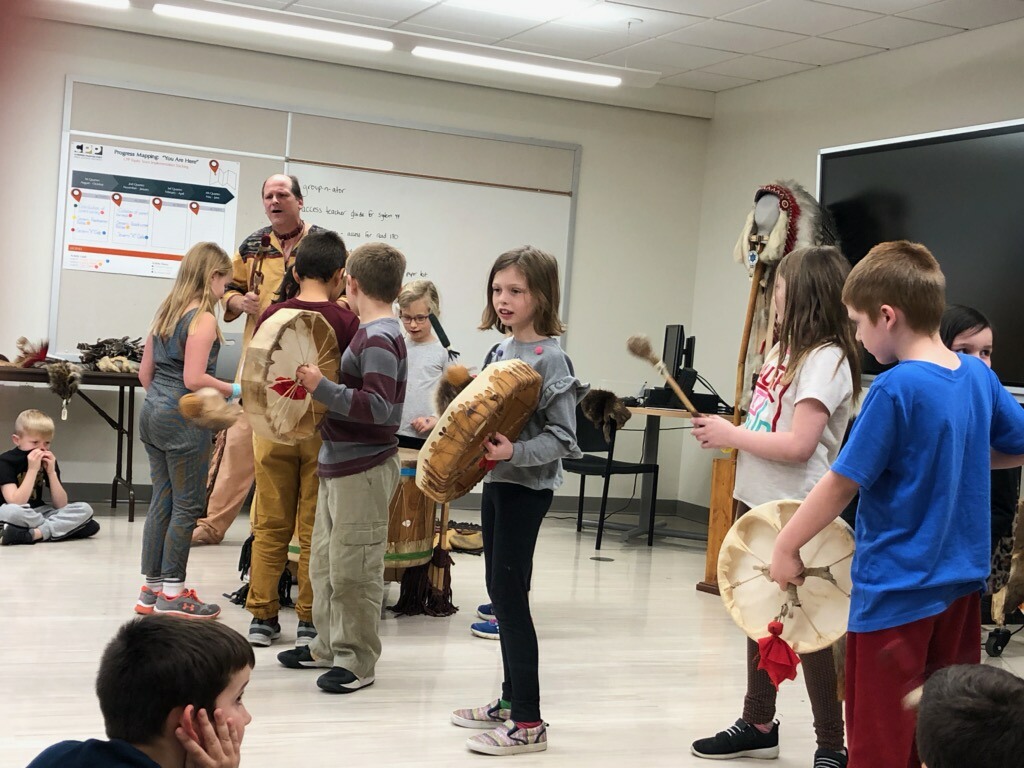
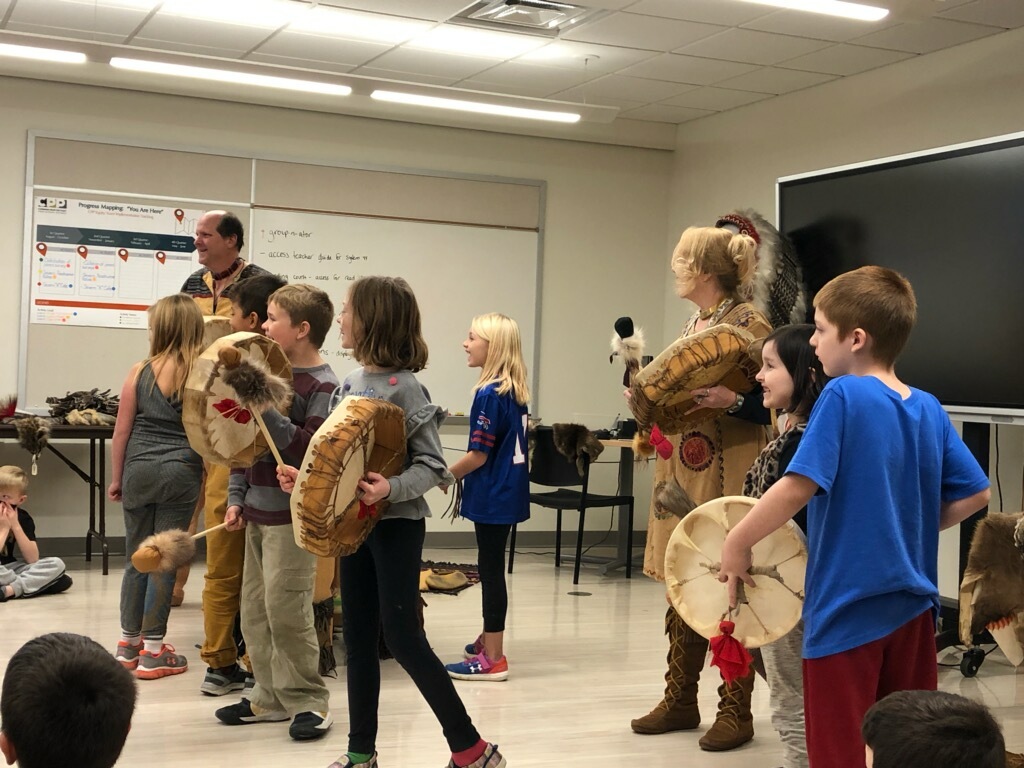
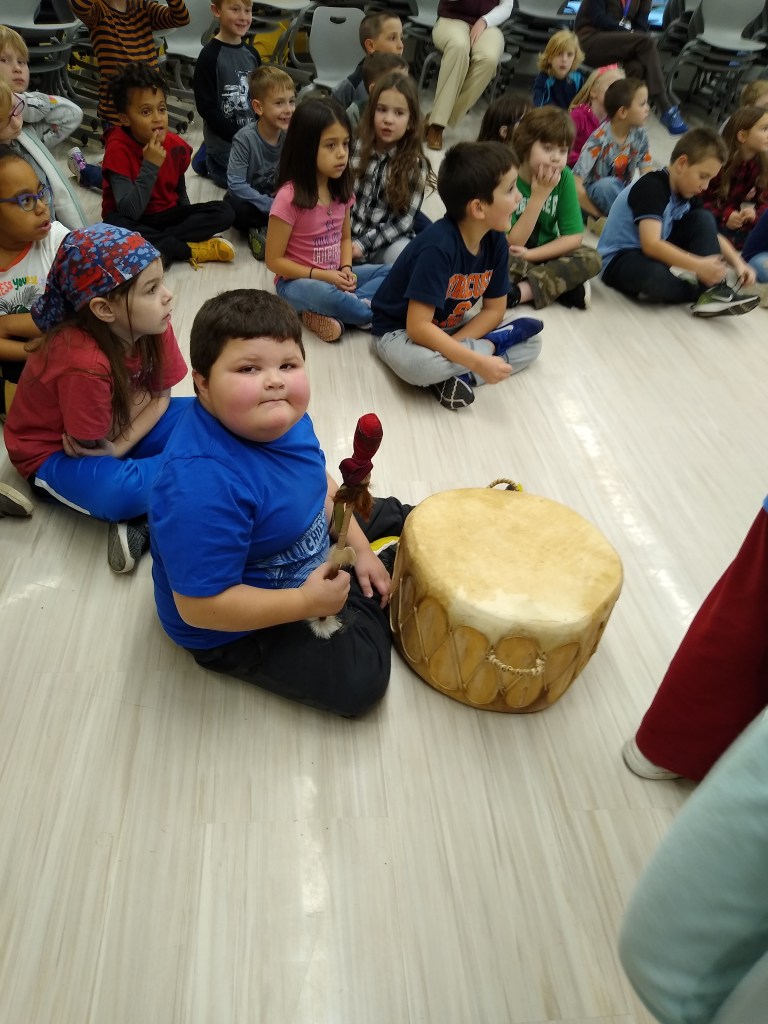
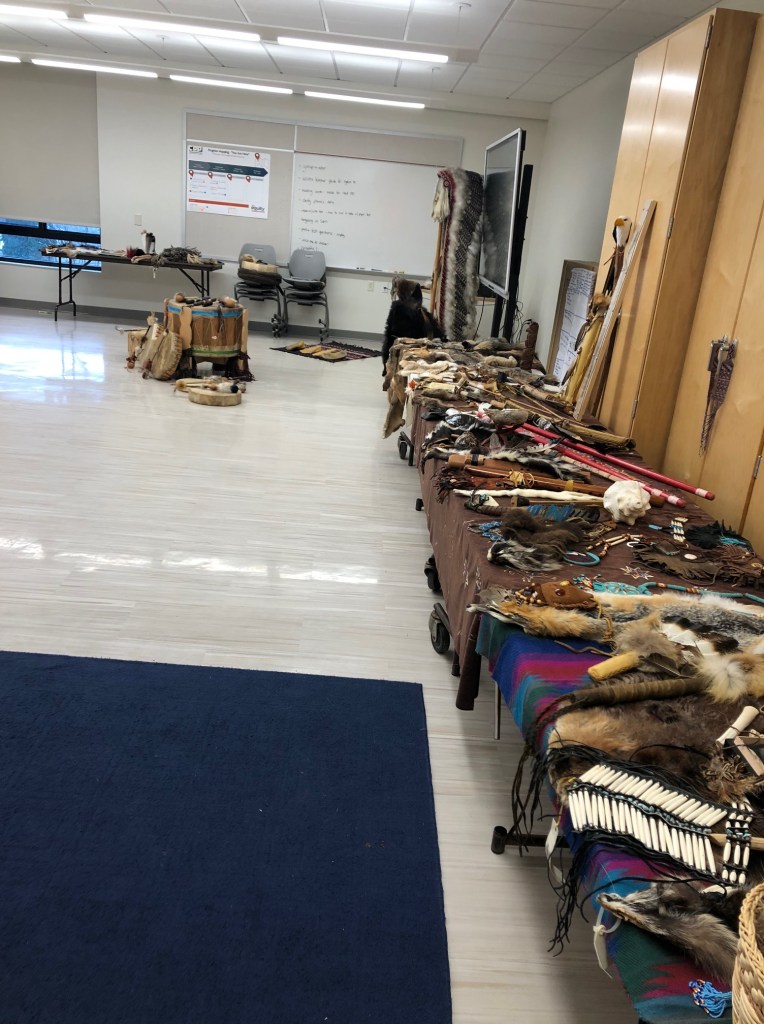
We believe in educating people about Native Culture. In 2019, SGS went to Severn Elementary and had an interactive day with the children. The kids got to experience, music, history, and a touch table filled with historic artifacts.
 About Us